# Tips for Caring for Canvas Wall Art in Australia’s Climate
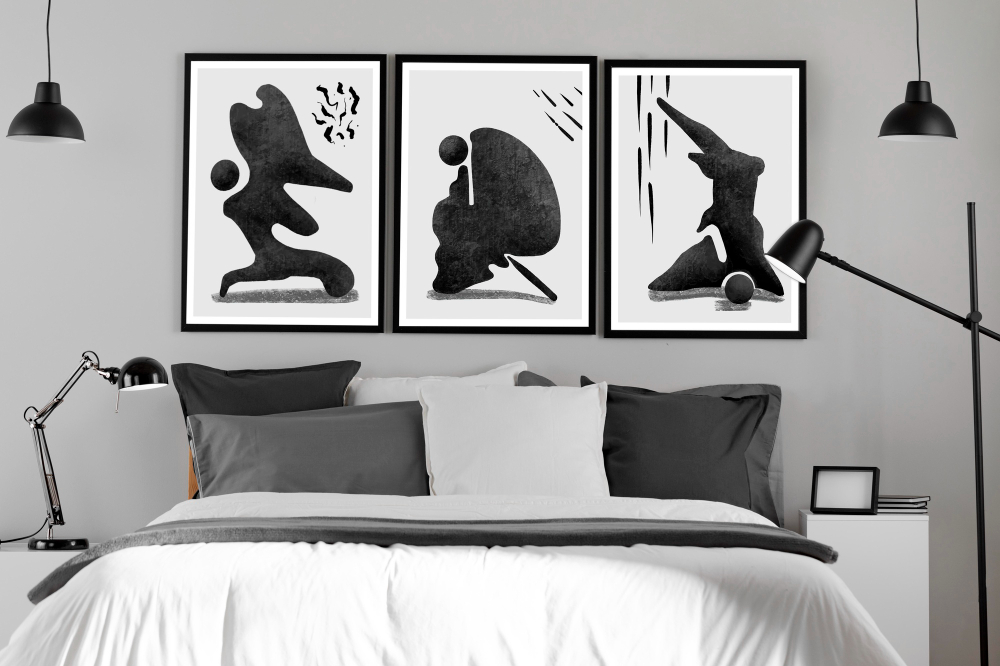
Canvas wall art has become a popular choice for Australian homes, adding personality, color, and style to living spaces. From modern abstracts to classic landscapes, these pieces can transform a room and reflect your taste. However, caring for canvas wall art in Australia comes with unique challenges. The country’s climate—ranging from humid coastal regions to hot, dry inland areas—can affect the longevity and appearance of your artwork. Understanding how to protect and maintain your canvas is essential for keeping it vibrant and intact for years. Here are practical tips for caring for canvas wall art in Australia.
## Choose the Right Location
One of the first steps in caring for canvas art is selecting the right spot to hang it. Exposure to direct sunlight can cause colors to fade over time, especially in areas with strong UV rays like Queensland or Western Australia. To preserve the vibrancy of your art, avoid placing canvas pieces in windows or locations that receive prolonged sunlight.
Temperature fluctuations can also impact canvas wall art. Extreme heat can cause the canvas to expand, while cold can make it contract, potentially warping the frame or causing cracking in painted surfaces. Choosing a stable environment away from heaters, air conditioners, or drafty areas will help maintain your artwork’s integrity.
Humidity is another important factor, particularly in coastal regions. Excess moisture can lead to mold growth or warping of the canvas. For homes in humid areas, consider using a dehumidifier to maintain a balanced indoor environment, or avoid hanging art in bathrooms or laundry rooms where moisture levels are often high.
## Clean Gently and Regularly
Dust and dirt can accumulate on canvas wall art, dulling its appearance over time. Cleaning should be done gently to avoid damaging the paint or canvas fibers. Use a soft, dry cloth or a feather duster to remove surface dust. Microfiber cloths work particularly well because they capture dust without scratching the surface.
For deeper cleaning, slightly dampen a cloth with distilled water. Avoid using tap water, as it may contain minerals that can leave spots on the canvas. Never use chemical cleaners, solvents, or abrasive materials, as these can strip paint or damage the canvas texture. If your artwork has stubborn stains or accumulated grime, it is best to consult a professional conservator.
## Protect from Moisture and Condensation
Australia’s climate varies greatly, from humid tropical zones to arid deserts. Moisture can be particularly damaging to canvas wall art. Even indoor humidity, combined with condensation from windows or air conditioning, can weaken the canvas over time.
To protect your artwork, ensure it is mounted with proper framing techniques that allow air circulation. Consider using a frame with a backing board to create a small barrier between the wall and canvas. In rooms prone to high humidity, such as kitchens or bathrooms, it may be better to display other forms of art that are more resistant to moisture.
## Control Light Exposure
Light exposure is one of the most common causes of fading and discoloration in canvas art. While natural light makes your room look inviting, constant exposure to sunlight can alter pigments in paint. To minimize damage, rotate your art occasionally so that no single piece remains in direct sunlight for long periods.
UV-protective coatings or glass can also help reduce the effects of light exposure. If your artwork is particularly valuable, consider consulting a professional framer who can provide UV-resistant glazing or protective varnishes specifically designed for canvas.
## Handle with Care
Handling canvas wall art improperly can cause damage that is often irreversible. Always hold artwork by the frame rather than the canvas surface, and avoid pressing on the painted areas. When moving or rearranging pieces, use clean hands or cotton gloves to prevent oils and dirt from transferring onto the canvas.
For larger pieces, it is advisable to have two people move the artwork to prevent bending, stretching, or accidental drops. If the canvas is rolled for transport or storage, ensure it is rolled with the painted side facing outward and use acid-free tissue paper to avoid sticking or abrasion.
## Maintain a Consistent Indoor Climate
Maintaining a consistent indoor climate is crucial for protecting canvas wall art in Australia. Sudden changes in temperature and humidity can cause the canvas to expand or contract, leading to warping, cracking, or loosening of paint.
In regions with hot summers and cooler winters, using climate control devices such as air conditioners and heaters can help stabilize indoor conditions. For homes in coastal areas where humidity is high, a dehumidifier can prevent excess moisture from affecting your art. Aim for a moderate temperature and humidity level to keep canvas wall art in optimal condition.
## Inspect Regularly
Regular inspections of your canvas wall art can help catch potential issues early. Look for signs of warping, loose paint, discoloration, or mold growth. If you notice any issues, address them promptly. Small problems can often be fixed easily by a professional, whereas neglecting damage may result in permanent deterioration.
Checking the frame and mounting hardware is also important. Ensure screws and hooks are secure, and the frame remains straight to avoid stress on the canvas. For heavier pieces, use appropriate wall anchors to prevent accidental falls.
## Consider Protective Coatings
For new canvas wall art, applying a protective varnish can enhance longevity. Varnishes act as a barrier against dust, moisture, and UV light. There are both matte and glossy options depending on your preference, and many professional artists and framers can apply these coatings safely without altering the appearance of the artwork.
Even with protective coatings, regular care and proper display conditions are still necessary. A varnish will slow the effects of environmental factors, but it cannot completely prevent damage from extreme heat, humidity, or prolonged sunlight.
## Store Properly When Not in Use
If you need to store canvas wall art temporarily, the right storage techniques are vital. Keep canvases upright or flat, avoiding stacking them in ways that put pressure on the painted surface. Use acid-free tissue paper or protective sheets between pieces to prevent abrasion.
Storage areas should be climate-controlled to avoid extremes of temperature and humidity. Avoid attics, garages, or basements where environmental conditions can fluctuate dramatically.
## Seek Professional Help for Restoration
Even with careful maintenance, some canvas wall art may experience wear over time. Professional restorers can help repair faded paint, minor tears, or surface damage. Restoration is best done by experts, as improper techniques can worsen the condition of your artwork.
If your canvas wall art is particularly valuable or holds sentimental significance, investing in professional care and restoration can prolong its life and maintain its aesthetic appeal.
Caring for [canvas wall art in Australia](https://www.canvasprintsaustralia.net.au/) requires a combination of mindful placement, gentle cleaning, climate control, and occasional professional intervention. By following these tips, you can ensure your artwork remains vibrant and intact despite the challenges posed by the country’s diverse climate. Investing time and effort in proper care not only protects your canvases but also allows you to enjoy the beauty and inspiration they bring to your living spaces for many years to come.
Proper maintenance turns canvas wall art into a long-lasting centerpiece in your home, creating a stylish and inviting environment that reflects your personality. With attention to placement, light, humidity, and careful handling, your canvases can withstand Australia’s unique climate while continuing to brighten and enhance your home. Caring for your art is an investment in both its longevity and the atmosphere of your living space, ensuring that each piece remains a source of joy and beauty over time.
Canvas wall art is more than just decoration—it is a reflection of your tastes and an integral part of your home’s aesthetic. By taking the right steps to protect and maintain it, you can enjoy its impact for years to come. In Australia’s diverse climate, this care is essential for keeping your artwork vibrant, structurally sound, and as striking as the day it first adorned your walls.